The Importance of Monitoring and Preserving Muscle Mass During GLP-1 Therapy
GLP-1 medications can lead to dramatic weight loss—but up to 40% may come from muscle. Learn why preserving lean mass is essential.

GLP-1 receptor agonists (GLP-1 RAs), such as semaglutide and tirzepatide, are transforming the landscape of weight loss and type 2 diabetes treatment. However, alongside fat reduction, these medications have been shown to contribute to a significant loss of lean body mass, including skeletal muscle. This loss can undermine metabolic health, physical function, and long-term wellness outcomes.
For individuals and providers focused on sustainable, healthy weight management, the preservation of muscle mass must become a core priority—supported by diet, exercise, and regular body composition analysis.
The Impact of GLP-1 Therapy on Muscle Mass
GLP-1 RAs work by mimicking the incretin hormone GLP-1, which increases satiety and insulin secretion while reducing gastric emptying. This leads to dramatic weight loss—but studies reveal that up to 15–40% of that loss can come from lean tissue, not just fat.
This is especially concerning for:
“The loss of lean mass in patients on GLP-1 therapy is similar to that seen with caloric restriction alone and is of particular concern in the elderly.”– Mocciaro et al., 2025
Why Preserving Muscle Matters
Skeletal muscle is not just about strength—it plays a central role in metabolic health, immunity, mobility, and long-term resilience. Muscle:
Without strategies to protect muscle, GLP-1 users may experience:
Evidence-Based Strategies for Muscle Preservation
To reduce muscle loss during GLP-1 therapy, patients and providers should adopt the following interventions:
“Protein intake above the RDA is necessary during caloric restriction to prevent muscle loss.”– Verywell Mind, 2024
“Lean mass preservation was significantly improved with resistance training during GLP-1 therapy.”– Peralta-Reich et al., 2025
“Body composition tracking allows for early intervention when muscle loss is detected.”– Ghanim et al., 2024
“In a Phase 2b trial, enobosarm preserved muscle mass in older adults on GLP-1 therapy.”– Veru Inc., 2025
Conclusion
GLP-1 medications are powerful tools in the fight against obesity and metabolic disease—but they are not without risks. Muscle loss during treatment is real, measurable, and manageable with the right approach.
Evolt supports healthcare professionals, gyms, and wellness providers with the tools to track, protect, and optimize body composition through:
and start tracking your muscle today.
References
Related posts

Golfing Legend, JORDAN SPEITH using the Evolt 360 to assess his body composition.
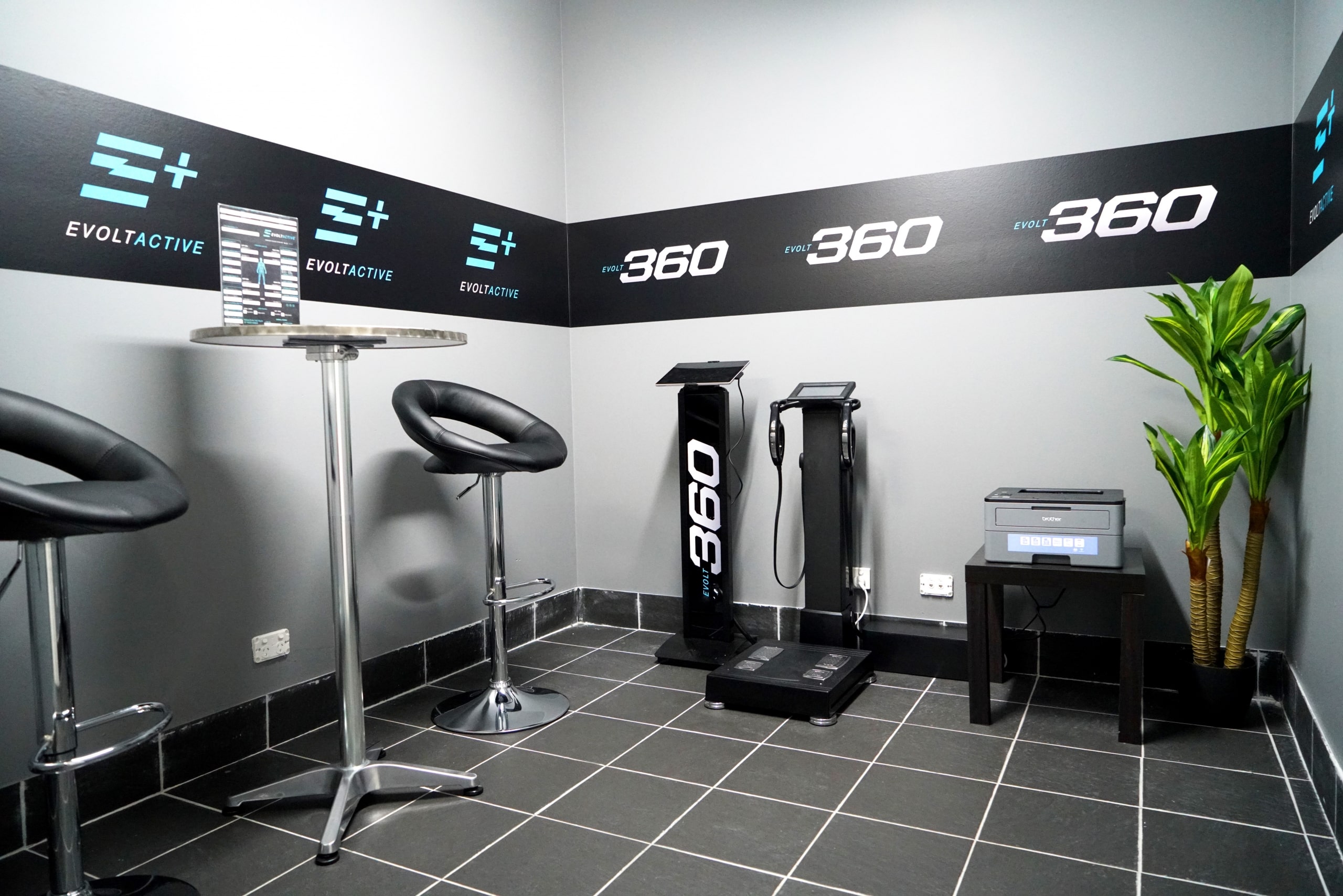
Official Evolt 360 Zone now at Derrimut 24:7 Gym Ravenall