FIBO 2026 and Why the Fitness Industry Is Growing Up
FIBO 2026 highlighted a shift toward AI-driven, personalized fitness and data-led health, where real outcomes and body composition insights are shaping the future of the industry.
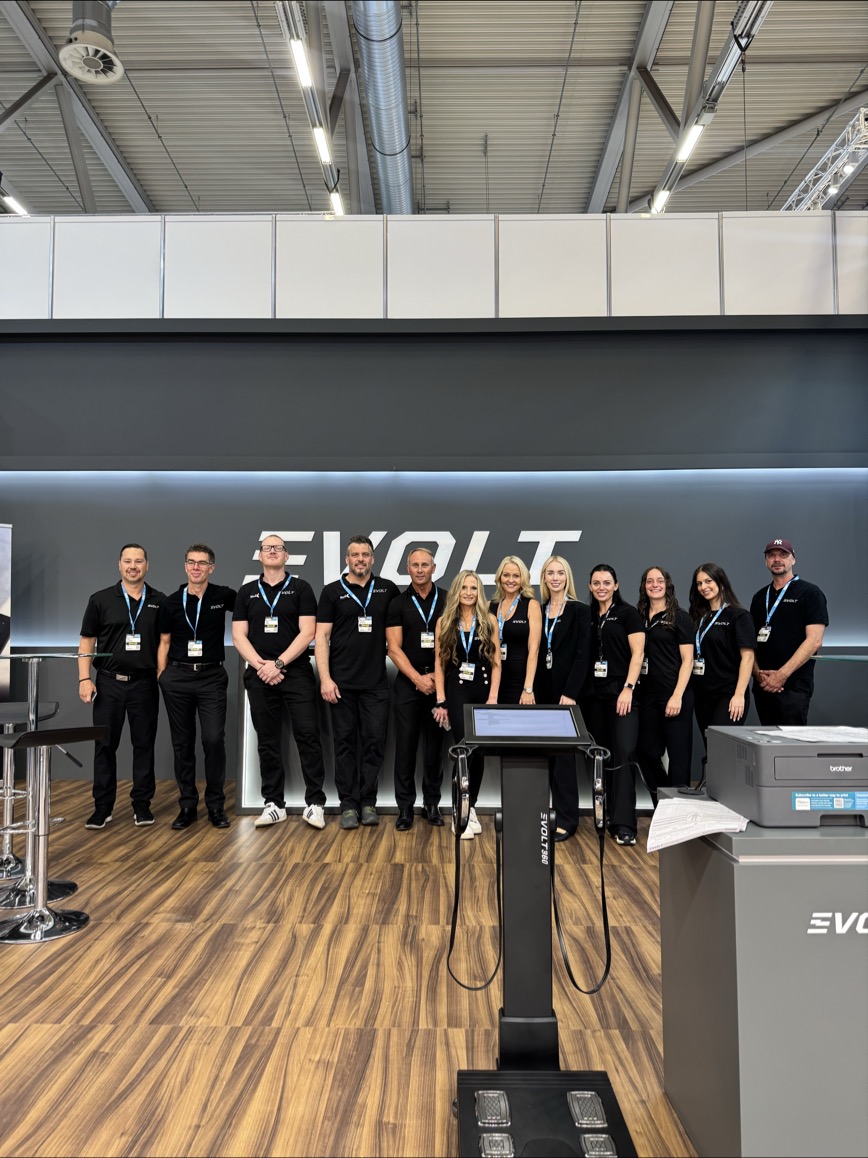
Every year, FIBO sets the tone for where the global fitness industry is heading. This year's edition in Cologne, its 41st, felt different in a way that's hard to ignore. I came away with a clear sense that the industry has reached an inflection point. We're no longer just talking about better equipment or flashier apps. The conversation has shifted toward something far more meaningful, and that's real, measurable outcomes for real people.
With 175,173 visitors from 136 countries, over 1,000 exhibitors from 54 countries, and a record-breaking European Health and Fitness Forum running alongside it, FIBO 2026 confirmed what many of us in the industry have been feeling for a while. Health and Fitness is no longer a lifestyle add-on. It's becoming a cornerstone of the global health system.
As someone working at the intersection of body composition technology and practical health outcomes, walking the floor of FIBO 2026 was genuinely exciting. Here's what stood out, and why I think it matters for where Evolt is heading.
AI, Longevity and a New Kind of Personalization
If you had to pick one word to describe FIBO 2026, it would be integration. The old boundaries between gym and digital, between fitness and healthcare, between performance and longevity, have essentially dissolved.
AI was absolutely everywhere. Connected strength platforms adjusting resistance in real time based on movement velocity, training plans adapting based on biometric feedback, injury risk being flagged before it even shows up physically. The message was consistent across the floor: generic programming is out, and data-driven, individualised outcomes are in.
Longevity had its own dedicated hall and summit this year, which says everything about how mainstream the concept has become. The focus has shifted away from pure aesthetics toward cellular health, metabolic function, sleep, recovery, and healthy ageing. Talks covered biohacking technologies like red light therapy and cryotherapy with biometric tracking, personalized nutrition, and what it actually means to be healthy at 70, 80, or beyond.
Wearable tech has also moved well beyond step counting. Biosensors tracking heart rate variability, skin temperature, and recovery markers were on display in force. The common thread across all of it was that people want to understand their body, not just track their workouts.
For those of us building tools rooted in body composition science, this is deeply validating. A number on the scale has never changed anyone's life. What matters is what's actually going on inside, muscle mass, fat distribution, hydration, metabolic markers. That's the kind of insight that drives real outcomes.
Where Evolt Fits Into This
Watching the FIBO 2026 floor buzz with conversations about personalization, outcome tracking, and data-powered health strategies, I kept thinking that this is exactly the space the Evolt 360 Body Composition Analyzer has been operating in for years.
A number on the scale has never changed anyone's life. What changes things is understanding what's actually happening inside the body and tools you can use to change your body composition. The Evolt 360 produces a detailed output covering skeletal muscle mass, segmental fat distribution, visceral fat rating, total and regional body fat percentages, hydration status, basal metabolic rate, and individualized calorie and macro targets. It also generates a biological age score and a bio wellness score that considers the relationship between skeletal muscle mass, total fat, and visceral fat to provide a broader picture of someone's health status. All of that from a 60-second scan using five data inputs, with personalized supplement suggestions included as part of the output.
What I find interesting about where Evolt sits right now is that the conversation has shifted from the scan itself to what happens next. The platform is built to connect that data into personalized programming, treatment protocols, nutritional planning, and recovery strategies, so the output doesn't just sit in a report. It actually informs decisions and gives the operators opportunities to improve their member’s health outcomes.
At a show where integration and connected health experiences were front and centre, that feels like a relevant place to be.
Forging New Relationships in Europe
FIBO is always a reminder of just how much is happening in the European market, and how much opportunity there is for companies willing to show up, build relationships, and commit to the long game. This year reinforced for me that the European fitness landscape is maturing rapidly. Operators and wellness brands across the continent are actively looking for technology partners who can help them move from activity tracking to genuine outcome delivery.
For Evolt, Europe represents one of our most exciting growth opportunities right now. We're operating across 54 countries globally, and the depth of engagement we're seeing from European fitness brands, clinical wellness operators, and luxury spa and hospitality venues is genuinely encouraging. These are partners who understand that their clients want more than a workout. They want to see change, understand their body, and receive programming that's actually tailored to them.
The partnerships we're building across Europe are grounded in exactly this philosophy. Whether it's boutique fitness studios looking to differentiate through data, medical wellness clinics wanting to anchor their longevity protocols in body composition science, or premium spa and hospitality venues wanting to elevate the guest health experience, the common denominator is always a genuine commitment to outcomes over outputs.
We're also seeing strong appetite for our integration capabilities across European markets. The ability to connect Evolt 360 scan data into existing app ecosystems, practitioner platforms, and member management software is increasingly the conversation, not just the hardware itself. That's a healthy shift. It means the industry is thinking about how data flows, how it gets actioned, and how it ultimately drives behaviour change.
I can say that we have some genuinely exciting integrations in development with key partners and brands right now, ones that I think will shift how operators and their clients experience body composition data in a meaningful way. It's not quite time to share the details, but watch this space. The direction we're heading is very much aligned with what FIBO 2026 was pointing toward, connected, outcome-focused, and built around the individual.
New Products and New Thinking
One of the things that genuinely excites me about FIBO 2026 is how well-aligned the broader industry trends are with the product direction we've been building at Evolt.
On the product side, Evolt's expansion across its 54-country footprint is increasingly about depth as well as breadth. New integrations, new outcome-focused solutions, and new ways of connecting scan data to the things that matter, training, nutrition, recovery, clinical decision-making, are at the core of our roadmap.
What I love about the FIBO environment is that it surfaces these conversations at scale. You see everything from boutique studio operators asking how to retain members with better data, to weight loss andwellness programs looking to integrate preventive health metrics into patient pathways. All of them are asking the same question at the end of the day, which is how do we move from measuring activity to actually delivering outcomes.
The Evolt 360's approach, and a comprehensive individualized output, is increasingly well-positioned in this conversation.
Fitness as Health Infrastructure
Perhaps the most significant moment from the FIBO 2026 forum wasn't a product launch or a keynote. It was the policy discussion about integrating fitness data into national healthcare systems. A record 585 industry leaders from 44 countries were in the room for that conversation.
The idea that body composition data, the kind that the Evolt 360 generates at scale across our global network, could one day flow into preventive health systems and population-level health strategies is genuinely exciting. It aligns with something we believe deeply, that the most valuable data is the data that gets acted on. And the best outcomes come when data, technology, and human expertise work together.
FIBO 2026 sent a clear message from the industry. This is no longer just a fitness trade fair. It's a global health summit. And for companies like Evolt, built on the belief that personalized, outcome-focused health data changes lives, that's a very good place to be.
If you're at the intersection of fitness technology, clinical wellness, or body composition science and you haven't been to FIBO, it's worth the trip. It's one of those events that recalibrates your thinking and reminds you why this industry matters. I came back from Cologne more energized than ever about where we're headed.
Guest Author, Kylie Bruno, Product Manager, Evolt
Related posts
Singapore’s most high-tech gym now using the Evolt 360

A health tech fix for medical staff